For the past year, enterprises evaluating agent infrastructure have effectively been placing two separate bets: one on MCP for connecting agents to tools and data, one on A2A for getting independent agents to talk to each other. As of August 25, 2026, that is no longer a bet on two roadmaps. It is one.
Two Protocols, One Stack
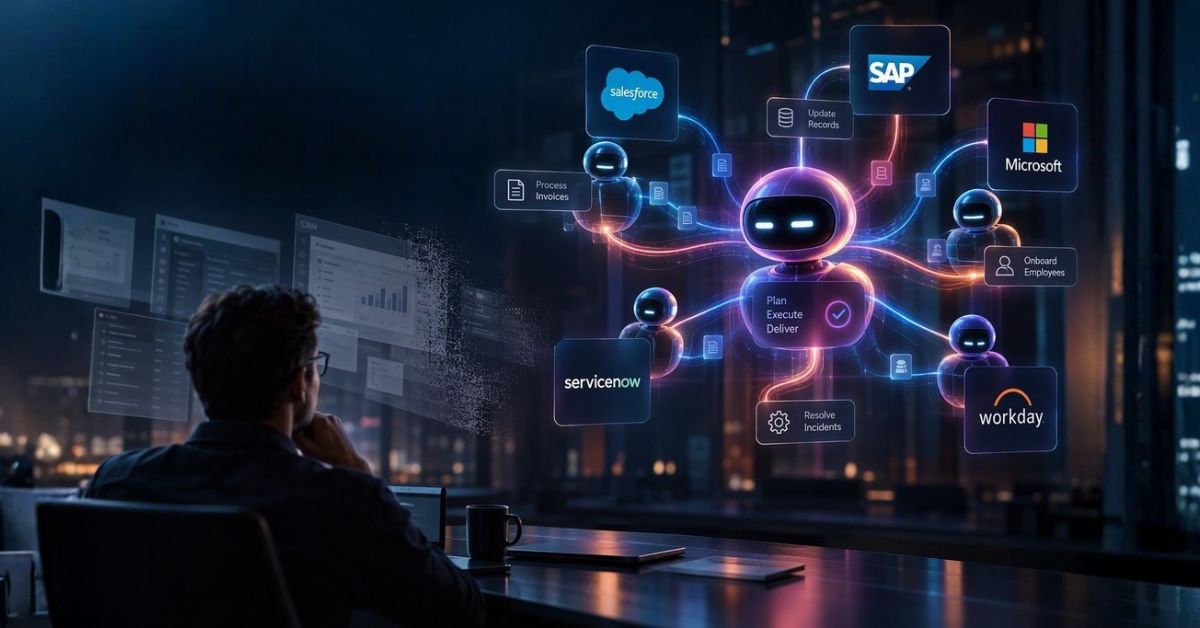
The merger works because MCP and A2A were never really competing for the same job. MCP is a vertical protocol. It governs how a single agent reaches into a tool, a database, or an ERP system and pulls out what it needs. A2A is a horizontal protocol. It governs how two agents, built by different vendors and running on different models, discover each other and hand off work across a trust boundary.
A support agent might use MCP to pull an order history out of an ERP, then use A2A to route an exception to a logistics partner’s own agent, one it has never talked to before. Same workflow, two different jobs, and until August 20, two different standards bodies to track.
How We Got Here
A2A was never orphaned. Google handed the protocol to the Linux Foundation in June 2025, and it has been governed there since. What changed on August 20 is more specific: A2A moved out of the Linux Foundation’s general project portfolio and into the Agentic AI Foundation (AAIF), the body created in December 2025 specifically to steward the agent economy’s core standards, starting with Anthropic’s donation of MCP. AAIF now governs both halves of the protocol stack most production agent deployments actually run on.
Why This Is More Than a Governance Footnote
The more telling number here is membership, not the announcement date. AAIF’s own count, reported by Axios, put its roster at under 40 organizations at launch in December 2025. By the time A2A joined in August 2026, that had grown past 250, with Google, Microsoft, Amazon, Anthropic, OpenAI, Bloomberg, Shopify, and Block all named as key backers. That is close to becoming the default governance layer for how agents built by competitors are expected to interoperate.
AAIF’s own leadership has framed the goal as the difference between one open protocol and an open stack: enterprises are not looking to place one safe bet, they want assurance that the whole layer they are building on stays open as it evolves.
Neutral governance does not make vendor lock-in disappear. It moves the fight from the protocol layer, which is now largely settled, to everything built on top of it.
What Still Isn’t Solved
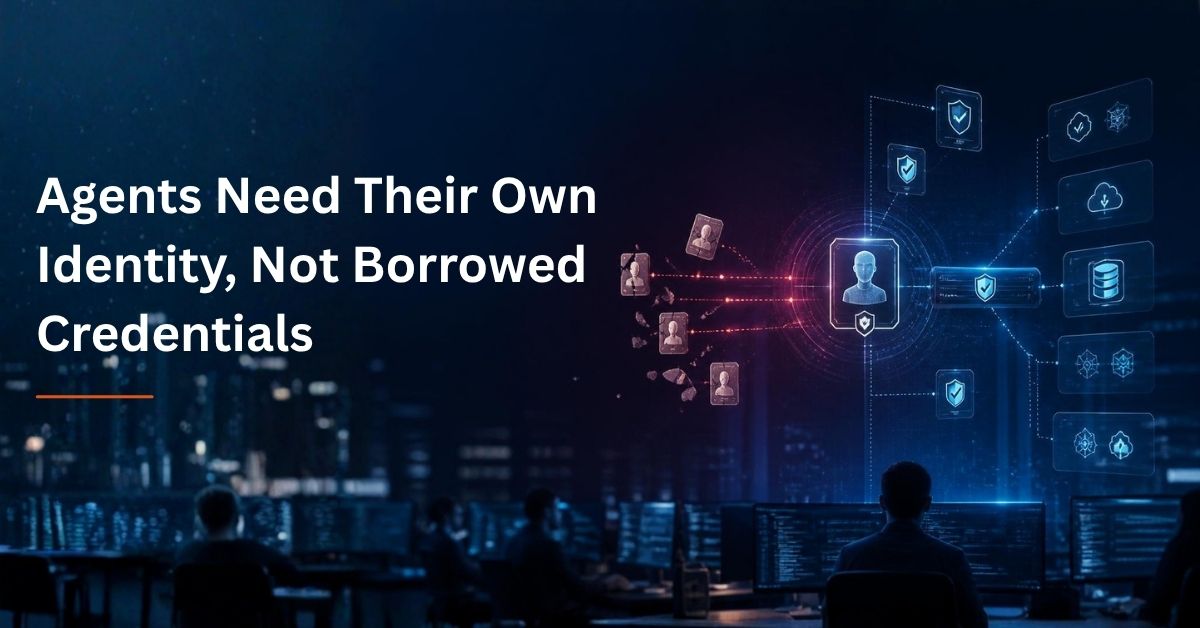
Consolidation at the protocol layer does not resolve the layer most CISOs actually lose sleep over: identity and authorization. A2A’s own extension mechanism, introduced with its 1.0 release, currently ships four official example extensions, covering credential passporting, timestamps, traceability, and gateway routing. None of them standardizes how an agent proves who it is acting on behalf of, or how that access gets revoked once granted.
Academic reviews of both protocols have flagged the same gap: MCP and A2A define discovery and communication well, but leave governance, in the sense of accountable, revocable, auditable agent identity, largely unaddressed. That fight is still being fought vendor by vendor, through offerings like Microsoft Entra Agent ID and a growing field of non-human-identity platforms.
The Vendor Checklist This Actually Changes
For a CIO or CISO running an agent vendor RFP this year, “do you support MCP” stops being a differentiating question. Every serious platform vendor will say yes by 2027. The sharper questions live one layer up.
Before your next agent RFP
- Which layer does the platform actually implement natively, tool integration (MCP), agent-to-agent collaboration (A2A), or both, rather than through a bolt-on adapter?
- What happens at the edges, where proprietary extensions, custom authentication, or non-standard discovery could quietly reintroduce lock-in?
- Who is accountable for staying current with AAIF’s roadmap, versus shipping a frozen fork that drifts out of spec within a year?
- How does the platform handle agent identity and permission scoping today, given that neither MCP nor A2A solves this on its own?
The protocol debate that dominated 2025 conversations about agent interoperability is largely settled, and it was settled by consolidation rather than a single winner. What is left is the harder, less visible work: an orchestration layer that absorbs changes at the MCP and A2A layers without a rebuild every time the spec moves, and closes the identity gap neither protocol was designed to solve. That is the layer Cortex is built to sit on.
Talk to OnClik about agent orchestration